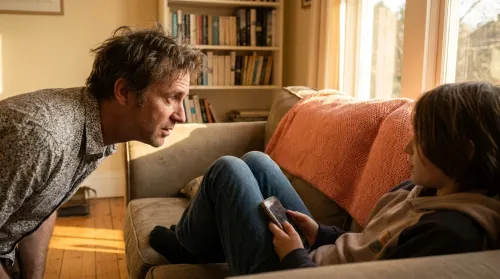
Generation Z's Impact on Modern Parenthood: Insights into a Tech-Savvy Youth Culture Reshaping Family Dynamics


The thing to know about Gen Z parenting in 2026 is that it has stopped being a forecast. Roughly a third of US parents with kids under the age of two are now Gen Z (theelefant.ai), and the cohort that grew up making finstas and reading Tumblr is now standing outside daycares at 5 pm with a Stanley cup and an opinion about the snack situation. If the version of this article you read in 2024 was about what Gen Z parents will do, you can put it down. The data on what Gen Z parents are doing has caught up.
This is a reporting pass on the 2026 picture: who Gen Z parents actually are, how the early evidence says they parent, what they have decided to break with from their own upbringing, and which 2026 vocabulary (split-shift parenting, going analog, technoference) you will start hearing at the playground.
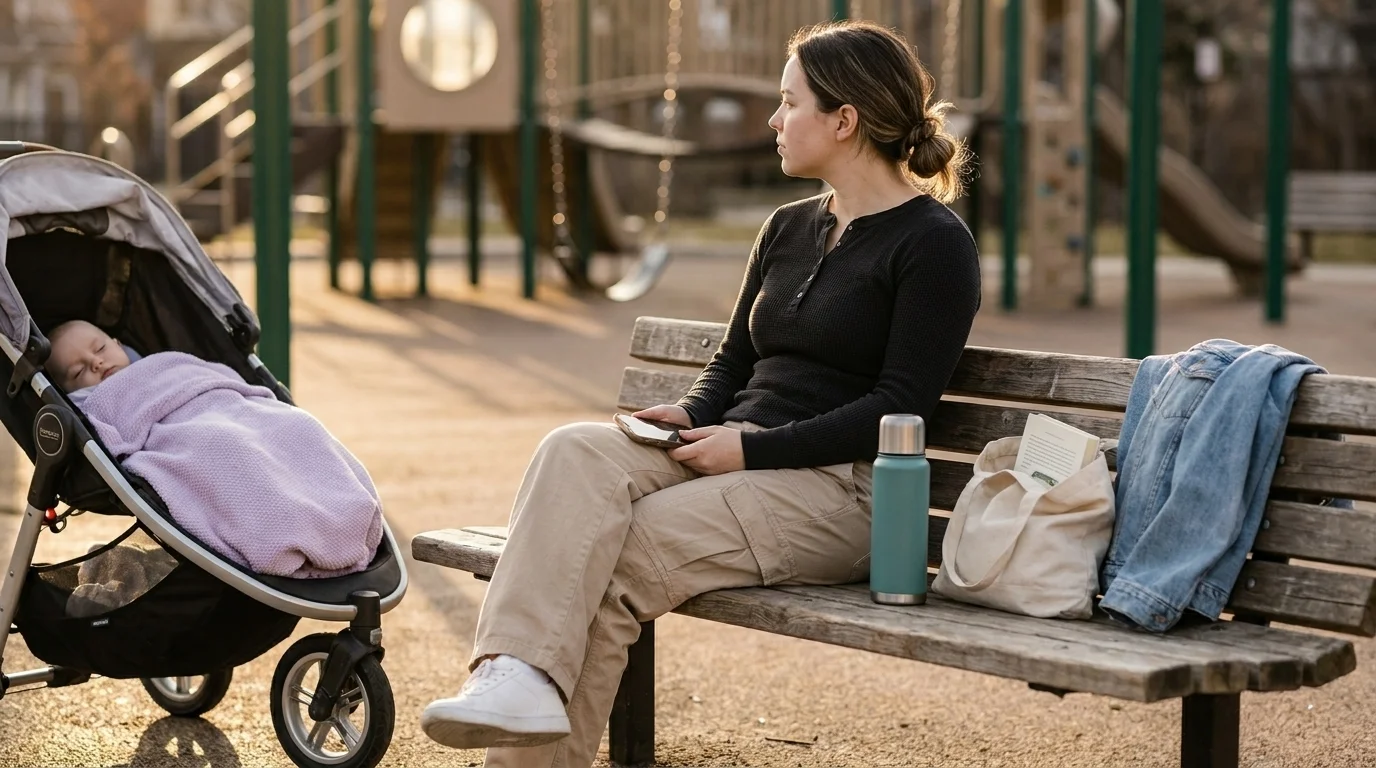
Who Are Gen Z Parents in 2026
Gen Z, as the cohort is usually drawn, is born roughly between 1997 and 2012. In 2026 the leading edge is 26-31 years old, which means Gen Z is now squarely in the early-parenthood years that millennials owned for the last decade. About 33% of US parents with a child under two are Gen Z (theelefant.ai), and that share will keep climbing as the rest of the cohort ages in.
It is worth saying out loud, because the SEO tools do not say it: fewer than one in ten Gen Zers are currently parents (General Catalyst). This is a leading-edge cohort, not the median. About 27% of Gen Z women say they plan to remain childfree. So when you see headlines about "Gen Z parents", they are reporting on the early-adopters of parenthood within the cohort, not a finished generation. The trends are real. The sample is not the whole sample yet.
Their own parents are mostly Gen X and late Boomers. Their younger siblings are Gen Alpha. That sandwich position is doing a lot of the cultural work in how they parent: they remember being handed an iPad without a conversation, and they remember the family-group-text dynamics of the 2010s. They have opinions about both.
How Gen Z Plans to Parent vs How They Were Raised
If you read only one data point on Gen Z parenting in 2026, read this one, from Chicco's 2024-2025 survey of US Gen Z parents and prospective parents (Chicco):
| Style | How Gen Z was raised | How Gen Z plans to parent |
|---|---|---|
| Authoritative | 34% | 60% |
| Gentle | 7% | 28% |
| Strict / traditional | 39% | 3% |
Three numbers do most of the work. First, "strict" collapses from 39% raised that way down to 3% planning it — a generational pendulum swing that does not get much louder than that. Second, "authoritative" — the Baumrind term for warm + structured + boundaries, not "authoritarian" — nearly doubles, from 34% to 60%, and becomes the modal Gen Z parenting style. Third, "gentle" parenting, which most of the parenting internet has been arguing about for five years, quadruples (7% → 28%) but does not become the majority position. It is a meaningful minority practice, not a Gen Z consensus.
The honest reading of these three rows is that Gen Z has not invented a new parenting style. They have ratified a style their own parents had only partly committed to (authoritative) while explicitly refusing the one they were most often raised with (strict). That is a more interesting story than "Gen Z is the gentle-parenting generation", and it is closer to what the survey actually says.
Related Article: Navigating the Digital Age: Parenting in the Era of Technology
Why Gen Z Is Walking Back Gentle Parenting
This is the part of the 2026 reporting that surprised most people, including me. Only 29% of Gen Z agree with the statement that authoritative parenting is less effective than gentle parenting — compared with 64% of millennials (WSPA). That is a 35-point gap between two adjacent generations on the same question — one of the sharpest splits in the recent public-survey record on parenting philosophy.
The reason looks economic. 54% of Gen Z parents say they are explicitly prioritising preparing their children for the real world — practical, resilient, future-ready — and the survey attributes this to Gen Z coming of age through pandemic job losses and the post-COVID labor market they personally lived (Chicco). If you watched your older sibling lose two service-industry jobs in 2020 and then watched the cost of an entry-level apartment double, the case for child-led, low-friction, "validate every feeling" parenting starts to look incomplete to you. That is not a hot take. That is the survey data lining up with the labor-market data.
The Gen Z parents I read on Substack and Discord are not anti-gentle. They are post-gentle. They borrow what is useful (emotion-naming, repair-not-punishment, refusing the spanking-and-yelling default they were raised on) and they reject what feels evasive (negotiating with a four-year-old who has bitten another four-year-old). The two-thirds of them who say they will parent authoritatively are picking a structured middle.
The Mental-Health Transfer
This is the angle the SERP has not consolidated yet, and it is the most consequential part of the picture. Gen Z arrives at parenting with the worst self-reported mental health of any working-age US generation: only 23% of Gen Z adults rate their own mental health as "excellent", compared with 34%+ for older generations (Grow Therapy, citing Gallup). 70% of Gen Z say they prioritise mental-health attention. 32% have sought professional therapy when navigating major life events, against 23% of Baby Boomers (Grow Therapy; General Catalyst).
That input shapes the output. 70% of Gen Z parents want to offer more emotional support to their kids than they received themselves, and 64% plan to be more open about mental health with their children than their own parents were with them (Chicco). They are explicitly trying to transfer the things therapy gave them — the vocabulary, the willingness to name a feeling, the refusal to call a panic attack "drama" — into the home before their children need to find a therapist of their own.
There is a flipside the Chicco data does not soften: only 24% of Gen Z feel confident about parenting, and 64% believe parenting is harder now than it was historically. They name social media (31%), technology (29%), and the existence of the internet itself (11%) as the top reasons. A cohort with this much therapy uptake, this much intent to be emotionally available, and this little baseline confidence is going to lean hard on professionals, peer groups, and (yes) parenting newsletters. That is part of why the audience for substantive Gen Z parenting reporting has roughly doubled in the last year.
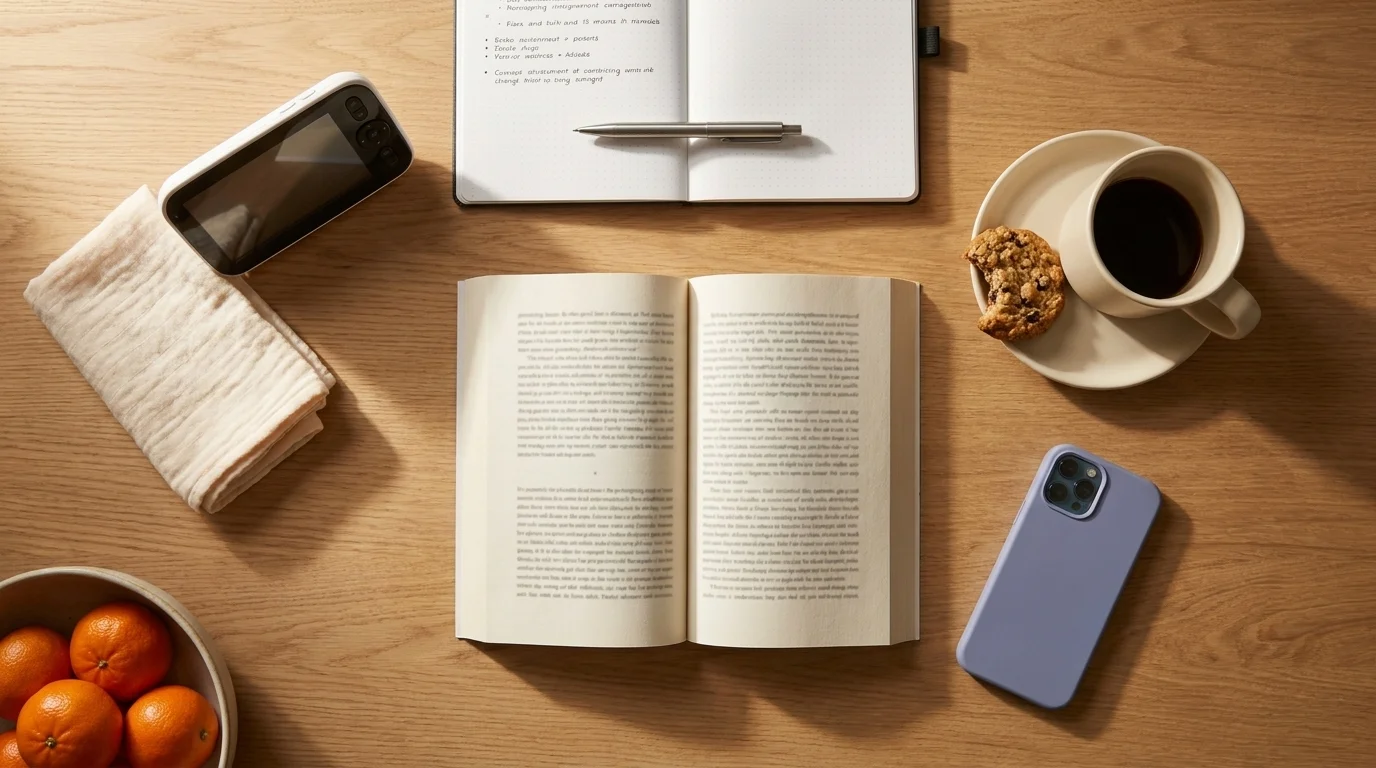
Tech-Native ≠ Tech-Permissive
The lazy version of Gen Z parenting is "they grew up with phones, so they'll be relaxed about giving their kids phones". The data says the opposite. Gen Z parents expect to allow about an hour less of screen time per day than they had themselves, and they want their kids to wait until nearly 15 to join social media (Chicco). 56% of Gen Z support screen-time limitations, compared with 50% of millennials — and the WSPA framing is precise: Gen Z is more focused on the content quality of what is on the screen than on rigid daily time caps (WSPA).
The privacy stance is even more striking. 20% of Gen Z parents say they will never post their children online, and another 40% say they will rarely do so (Chicco). The cohort that was on Tumblr at twelve and Instagram at fourteen is the cohort least willing to put their own kids' faces on either. That is not a contradiction; it is a generation that has already lived through the consequences of being a child on the public internet and has decided they would prefer not to inflict it.
This is the thing my old NYU colleagues kept saying about Gen Z online safety: they are not the optimists. They are the survivors. Survivors set tighter rules than tourists.
Technoference and Going Analog
Two pieces of 2026 vocabulary worth knowing if you are going to read about Gen Z parenting all year.
Technoference. Over half of today's teens say their parents are distracted by phones during conversations (General Catalyst). The term — already used in pediatric research — refers to the small daily ways a parent's device interrupts a parent-child interaction. Gen Z parents have grown up being on the receiving end of it (their own parents got smartphones around 2009) and report being actively concerned about reproducing it. Whether they manage to is a separate question, but it is on their list in a way it was not on their parents' list.
Going analog. Named by The Every Mom as one of 2026's leading family trends (The Every Mom) — Gen Z parents deliberately routing parts of family life through non-screen tools (paper calendars, physical photo prints, board games, library cards, single-purpose timers instead of smartphone timers) to reduce ambient overstimulation. This is downstream of the same impulse driving the tech-native-not-tech-permissive stance. If you have decided your kid joins social media at almost 15, you also have to decide what the household runs on for the previous ten years.
New Family Structures
Gen Z is also more willing than previous cohorts to consider parenthood outside the conventional two-parent-married template. 30% of Gen Z would consider parenthood without a romantic partner. 50% of Gen Z women would consider egg freezing (Chicco). 59% of Gen Z believe forms should offer gender options beyond "man" and "woman" (General Catalyst) — a value many of them say they will carry into how they raise their children.
A relatively new arrangement, split-shift parenting, is being reported as Gen Z-popularised: two parents who divide the day into on-duty / off-duty blocks (one with the kid, one working or recovering) and trade (The Every Mom). It is not a cure for unequal labor in any direction; it is a logistics pattern that lets two working parents avoid the worst of the always-on default. Whether it stays a Gen Z signature or becomes generationally agnostic the way "no spanking" did is an open question for the next five years.
Gen Z vs Millennial Parents
The data is starting to clarify which differences between Gen Z and millennial parents are real and which are vibes. Three contrasts the surveys back, in order of size.
- Parenting-philosophy gap (large). 29% of Gen Z agree authoritative is less effective than gentle, vs 64% of millennials — a 35-point spread on the same question (WSPA).
- Activity-intensity gap (medium, and in the opposite direction from the stereotype). 48% of Gen Z aspire to provide their children with a wide variety of activities, vs 34% of millennials (WSPA). The lazy take is "Gen Z is more chill". The data says they are slightly more enrichment-coded than millennials, not less.
- Screen-time stance (small but real). 56% of Gen Z support screen-time limits, vs 50% of millennials (WSPA).
Millennial parenting style — gentle-leaning, validation-heavy, attachment-anchored — is a coherent movement and is not going away. The Gen Z version is adjacent to it but distinct: more structured, more economically defensive, more screen-cautious, and more willing to say so out loud.

What This Means If You Are Raising or Living Around Gen Z Parents
If you are a Gen Z parent reading this: you are the leading edge of a cohort that is roughly twice as likely as it was raised to parent authoritatively, three times as likely to be open about mental health, and four times as likely to refuse strict parenting. You are not alone in that, and you are not making it up.
If you are raising a Gen Z parent (i.e., you are a Gen X or Boomer with an adult child who has just become one): the things they are doing that look like overcorrection (the screen-time floor, the refusal to post the baby online, the therapy talk) are the things the data shows the whole cohort is doing. It is not a personal critique of you. It is a generational pattern with citations.
If you are a Gen Z parent yourself, the most useful single thing I can suggest is this: pick one of the 2026 vocabulary items above — technoference, going analog, split-shift parenting — and have one specific conversation tonight about whether it is something your household actually wants to try. Not a tip. A conversation. That is the thing the data says you are most likely to find useful.
Frequently Asked Questions
Gen Z is roughly the cohort born between 1997 and 2012. In 2026 the leading edge is 26-31 years old. About 33% of US parents with a child under two are now Gen Z, though fewer than one in ten Gen Zers overall are currently parents — this is a leading-edge group within the cohort, not the median. Source: theelefant.ai; General Catalyst.
Authoritative — warm and structured with clear boundaries, not authoritarian. The Chicco 2024-2025 survey found 60% of Gen Z plan to parent authoritatively (vs 34% who were raised that way), 28% gentle (vs 7%), and only 3% strict or traditional (vs 39%). The biggest move is the collapse of strict parenting; gentle parenting nearly quadruples but does not become the majority style.
Only 29% of Gen Z agree that authoritative parenting is less effective than gentle parenting, compared with 64% of millennials — a 35-point gap. 54% of Gen Z parents say they are prioritising preparing their children for the real world, which the survey attributes to coming of age through pandemic job losses and a tough post-COVID labor market. Sources: WSPA, Chicco.
Only 23% of Gen Z adults rate their own mental health as excellent (vs 34%+ for older generations), 70% prioritise mental-health attention, and 32% have sought professional therapy. That input shapes the output: 70% of Gen Z parents plan to offer more emotional support than they received and 64% plan to be more open about mental health with their kids. Sources: Grow Therapy, General Catalyst, Chicco.
Less. Gen Z parents expect to allow about an hour less of screen time per day than they had themselves, want their children to wait until nearly 15 to join social media, and 60% say they will never or rarely post their kids online. 56% support screen-time limits, vs 50% of millennials. Source: Chicco, WSPA.
Split-shift parenting is an arrangement where two parents divide the day into alternating on-duty / off-duty blocks; The Every Mom reports it as a Gen Z-popularised pattern for two-working-parent households. Going analog refers to deliberately running parts of family life on non-screen tools (paper calendars, board games, physical photo prints) to reduce ambient overstimulation — named as a leading 2026 family trend. Source: The Every Mom.
Check Out These Related Articles
Ethical Considerations in Co-Parenting Apps: Striking a Balance Between Convenience and Privacy Rights
The Millennial Mom Movement: Redefining Parenting with Social Media and Influence
Revolutionary Parenting Tech: Integrating AI and IoT for Seamless Family Management